AEO and GEO Tools: A Practitioner’s Field Guide to the Measurement Layer
As a kid we took weekend road trips from LA County up to San Luis Obispo, down the 101 in a 70s VW bus. Always moving, never too fast. We’d stop at the Carl’s Jr in Santa Barbara, and my brothers and I would argue about who had the best food. Totally subjective. Everyone had a favorite.
AEO, GEO, LLMO, AI-mediated search, all of it moves a lot faster than that bus ever did. And instead of char-broiled versus fried, people argue about which visibility tool is best. The better tools here go past tracking and offer guidance, and the good ones earn their place. But no single one is right for every brand, the enterprise team and the budget-constrained founder need different instruments, and the output is still probabilistic, share of voice is not traffic. Choosing the right tool is the start of the work, not the work itself.
So here is the whole field, all 56, funding and coverage and method, mapped without a stake in any of them. Plate Lunch Collective knows these tools well enough to choose among them, the right instrument for a client’s size, need, and surface, and then does the work the readout points to. The measuring is the start of the job. This is a practitioner’s field guide, not a scorecard.
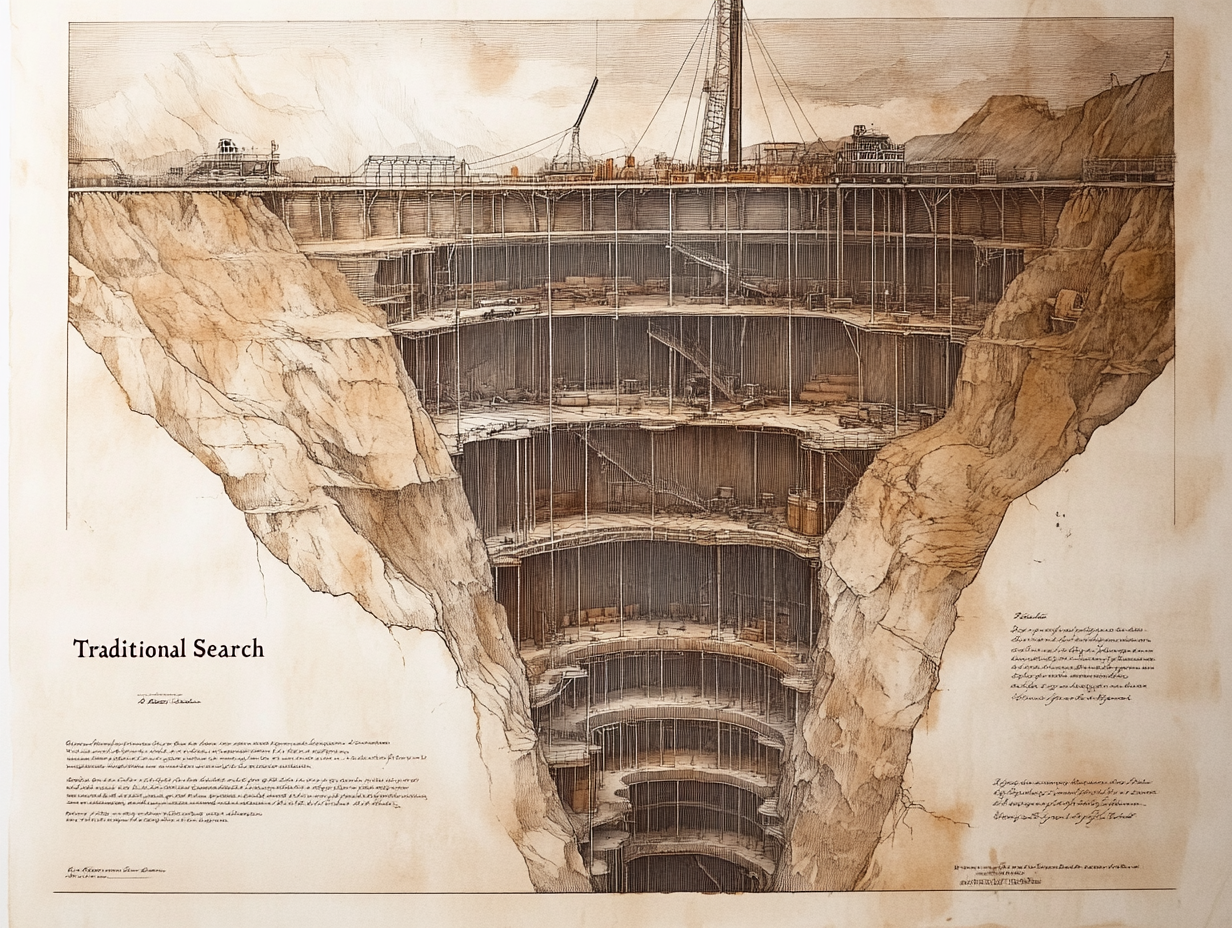
Research Methodology
This analysis is maintained by Hayden Bond of Plate Lunch Collective. Every platform here was checked against verified funding data, published case studies with named metrics, customer counts, coverage documentation, and pricing. The no-affiliate stance is not a disclaimer, it is the point: reading the entire measurement layer without a stake in any tool is what makes the assessment usable, and it is the same command we bring to answer engine optimization for clients. The field moves fast; this page is updated as the market changes.
How These Tools Measure
These platforms measure visibility, but what they can measure depends on whether a model answers from training or from live retrieval. A “335% AI visibility increase” from one vendor and a “10x citation rate” from another are not comparable, because they measure different things and the definitions are still forming. Plate Lunch Collective breaks that mechanism down in its analysis of how AI search retrieval works, the layer that determines what any of these scores actually capture.
Why AI Visibility Scores Fluctuate
AI model outputs are probabilistic. Run the same prompt 100 times and you get 100 different responses. A SparkToro and Gumshoe study, using Carnegie Mellon’s published LLM-consistency methodology, published in January 2026 found less than a 1-in-100 chance that ChatGPT or Google AI will produce the same brand recommendation list twice across 100 identical runs. A tool reporting your brand’s rank in AI responses is reporting a position in a probability distribution, not a stable measurement. Scores move run to run because models draw from two knowledge sources that disagree: training and live retrieval. Plate Lunch Collective explains why in its breakdown of parametric vs retrieval knowledge, the reason a single tracked number is unstable by design.
Brand Visibility vs. Category Visibility
Brand visibility and category visibility are not the same measurement, and most tools track one without making clear which. Brand visibility measures how often a brand appears when queried directly about it. Category visibility measures how often it appears in unbranded recommendation queries. That gap is the difference between AI knowing a brand exists and AI recommending it to a buyer who has never heard of it. Before committing to any platform, confirm which one it tracks. Plate Lunch Collective’s Context Map establishes what AI systems currently understand about a brand before any tracking begins, the baseline these scores are measured against.
AEO Market Update: June 2026
The category’s first major acquisition set a benchmark. Sitecore acquired Scrunch AI on June 3, 2026 for a reported $225M (Bloomberg), the first AEO-native acquisition of size and a reference point for what these platforms are worth. It followed Adobe’s $1.9B Semrush acquisition, which closed April 28, 2026.
Funding into AI-native platforms passed $500M. Profound raised a $96M Series C in February at a $1B valuation ($155M total). Bluefish raised a $43M Series B ($68M total). BrandLight raised a $30M Series A ($35.75M total). Counting the Adobe-Semrush deal, total money in the category exceeds $2.4B.
A paid-placement layer emerged. Evertune’s Visibility Boost, Taboola’s AI answer-engine ad network, OpenAI’s ChatGPT Ads, and DISQO’s AI Search Lift attribution all launched into a “pay to appear in AI answers” category that did not exist at the start of the year.
Influencer marketing began converging with AEO. Later launched Creator AEO and Linqia partnered with AirOps, the first signs creator platforms see answer-engine visibility as their problem too.
Other movements. Adobe launched Adobe Brand Visibility (June 17). Peec AI crossed $10M ARR sixteen months after launch (May 28). Semrush, now an Adobe company, reports roughly 108,000 paying customers, corrected down from the 116,000 figure carried in earlier versions of this page.
GEO Infrastructure
What You Need Before Any AEO or GEO Tracking Tool Works
Before any tracking tool on this page produces reliable data, three technical conditions need to be in place. AI crawlers need to be able to read your content. Your entities need to be correctly structured through proper entity SEO so AI systems can categorize what your brand does and who it serves. And your knowledge graph signals need to be consistent enough that retrieval systems can place you accurately in relation to adjacent concepts.
The tools in this section address those conditions. They do not measure AI visibility. They determine whether the technical foundation for visibility exists.
Two things worth knowing before you evaluate them. First, JavaScript rendering is only a problem for sites built as client-side single-page applications. Sites on Next.js App Router, Nuxt, SvelteKit, or any other server-side rendering framework deliver fully rendered HTML to AI crawlers by default and do not need a dedicated rendering tool. Second, structured data and knowledge graph implementation improve how AI systems extract and interpret your content when they access it, but independent research confirms this effect varies significantly by model. Google AI Overviews and Bing Copilot explicitly use schema markup. There is currently no peer-reviewed evidence that schema directly increases citation rates in ChatGPT or Perplexity. Schema improves extraction accuracy. It does not guarantee citation.
A tracking tool reports what AI systems return; it cannot fix why. Plate Lunch Collective builds the entity SEO foundation that determines whether a brand is resolvable in the first place, which is the precondition every tool on this page assumes and none supply.
These platforms build the entity and schema scaffolding that AI systems read. Plate Lunch Collective’s entity SEO work operates the same layer for clients, structuring the entity signals these tools depend on rather than only auditing them.
These platforms build the technical scaffolding; the strategy on top is a separate job. Plate Lunch Collective handles the entity SEO layer that makes the infrastructure pay off.
AI Visibility Tracking & Content Optimization
53 platforms for measuring and improving AI search visibility
Filters
Showing 53 of 53 platforms
Platform Type
Budget
AI Coverage
Free Trial
Methodology
Brand vs Category
Showing all 53 platforms
Enterprise AEO Platforms ($500+/Month)
7 platformsEnterprise platforms in this tier target organizations with dedicated marketing operations teams and budgets above $2,000 per month for AI visibility tooling. The common differentiator is model coverage breadth, prompt volume capacity, and the presence of named enterprise clients with published case studies. Pricing transparency varies significantly. Several platforms in this tier require sales conversations to access any pricing information.






Plate Lunch Collective works alongside in-house enterprise marketing and ops teams, fluent in every tool in this tier and focused on doing what the readout points to. See AI search visibility.
Mid-Market AEO Tools ($100-500/Month)
15 platformsGrowth and mid-market platforms serve teams with $100 to $500 monthly tool budgets who need more than a basic visibility check but cannot justify enterprise pricing. The differentiator in this tier is usually prompt volume per dollar and whether the platform tracks category visibility alongside brand visibility. Self-serve pricing is common but not universal.









Most mid-market teams buy one of these and then have no one to act on it. Plate Lunch Collective is the operator that closes that gap, with answer engine optimization built for teams without a dedicated AI search function.
AEO Features in SEO and Marketing Platforms
8 platformsSEO platform extensions add AI visibility tracking as a feature within existing SEO workflows. They are the right choice for teams already committed to Ahrefs or Semrush who want AI visibility as a directional signal without adding another tool. They are the wrong choice for teams that need custom prompt sets, high prompt volume, or the ability to distinguish brand from category visibility.



If you already run Ahrefs, Semrush, or Conductor, the AEO module is a starting signal, not a strategy. Plate Lunch Collective turns those readouts into AI SEO and citation work your existing platform only measures.
AEO Tools Under $100/Month
17 platformsBudget and free platforms offer entry points below $100 per month or genuine free tiers. The trade-off is usually prompt volume, model coverage, or tracking frequency. These tools are appropriate for initial brand perception checks, periodic diagnostics, or teams validating whether AI visibility tracking is relevant to their market before committing budget.






Budget tools tell you where you stand; choosing the right one for your situation is its own skill. Plate Lunch Collective knows which of these is worth running and what to do once it flags a gap. Start with a Context Map.
Specialized AI Visibility Tools
4 platformsSpecialized platforms serve specific use cases that general tracking tools do not address. E-commerce product discovery, persona-based buyer simulations, hallucination detection, and brand narrative analysis are represented here. If your primary use case matches one of these specializations, the dedicated tool will outperform a general tracker. If not, a general platform is the better fit.





Specialized tools win on one surface. Plate Lunch Collective works across all of them, mapping where a brand surfaces in AI shopping and answer engines alike with citation-ready content.
AI Content Optimization Platforms
2 platformsContent optimization platforms sit between tracking and production, using visibility data to inform what content to create and how to structure it for AI retrieval. They are the right fit for teams where content velocity is a constraint and visibility insights need to translate directly into publishing decisions.
Optimization tools surface citation gaps. Plate Lunch Collective produces the citation-ready content that closes them, the work these tools point at but do not do.
These tools flag citation gaps. Plate Lunch Collective produces the citation-ready content that closes them, building the extractable, attributable passages AI systems retrieve rather than only reporting their absence.
AEO and GEO Tool Buyer's Guide
Frequently Asked Questions
See the full FAQ page for additional questions on AI visibility measurement.
How to Evaluate AEO Tools
Before You Buy
Undisclosed funding. This market adds new players weekly, many without verifiable backing.
Annual lock-in. Platforms pivoting or being acquired mid-contract is a real risk at this stage.
"Contact for pricing." Opacity often signals enterprise-only focus or pricing still in flux.
API vs. front-end data. Some platforms scrape interfaces, others use direct API access with different accuracy trade-offs.
Prompt volume and statistical validity. A tool running each prompt once daily is producing a snapshot, not a trend line. Research suggests dozens to hundreds of runs per prompt are needed for statistically reliable frequency data. Ask any vendor how many times they run each prompt before reporting a visibility score.
Brand visibility vs. category visibility. Tools vary in whether they measure how AI responds when asked about your brand directly versus how AI responds to unbranded category queries. These are different signals with different strategic implications. Know which one you are buying.
Credit-based pricing. Usage can spike unpredictably as you scale prompt monitoring.
Limited case studies. Many platforms launched in 2025, real-world validation is still thin.
Teams that have not run a baseline audit before evaluating tools often do not know which signals to look for. An AI search visibility assessment establishes where you stand before any tool budget is committed. For a detailed look at how two leading enterprise platforms differ on methodology, funding, and activation capabilities, see the BrandLight vs Evertune comparison.
What No Tool Currently Solves
Query fan-out is not tracked by any current tool. When a model receives a query it decomposes it into multiple sub-queries and retrieves content for each one internally. A brand's actual visibility is determined by whether it appears in those sub-queries, none of which are exposed to external tools. Every platform is measuring the primary prompt. The sub-query layer is invisible to all of them. Plate Lunch Collective maps that behavior in its piece on query fan-out, the sub-queries that drive citation and never show up as search volume.
Synthetic prompts are not organic queries. Every tool either generates its own prompts or tracks ones you define manually. There is no equivalent of Google Search Console for AI assistant queries. What real users are actually typing into ChatGPT about your category is not accessible to any platform. The prompts being tracked are theoretical approximations, not observed behavior.
Context window isolation distorts results. Tools query models in fresh, empty context windows. Real users ask about brands mid-conversation, where preceding context changes what the model says. No current tool simulates long-tail conversational context, which means visibility scores reflect best-case conditions rather than real user experiences.
Model version changes are mostly unflagged. AI models update frequently and without public announcement. A shift in your visibility metrics could reflect a model update rather than anything you or your competitors did. Most platforms do not flag when a model version change may be responsible for a measurement shift, making it difficult to distinguish signal from noise.
Parametric and retrieval visibility are different signals. A model can cite your brand from training data without ever retrieving your content in real time, and it can retrieve your content without mentioning your brand. Most tools do not distinguish between these two mechanisms in their reporting. They are different problems requiring different fixes. Conflating them produces the wrong diagnosis. What each layer requires, and why the fixes differ, is the subject of Parametric vs. Retrieval Knowledge: When Models Answer From Memory. Structuring content so retrieval systems can parse, trust, and cite it is a separate problem from tracking: that is what citation-ready content addresses.
What we do with what these tools surface.